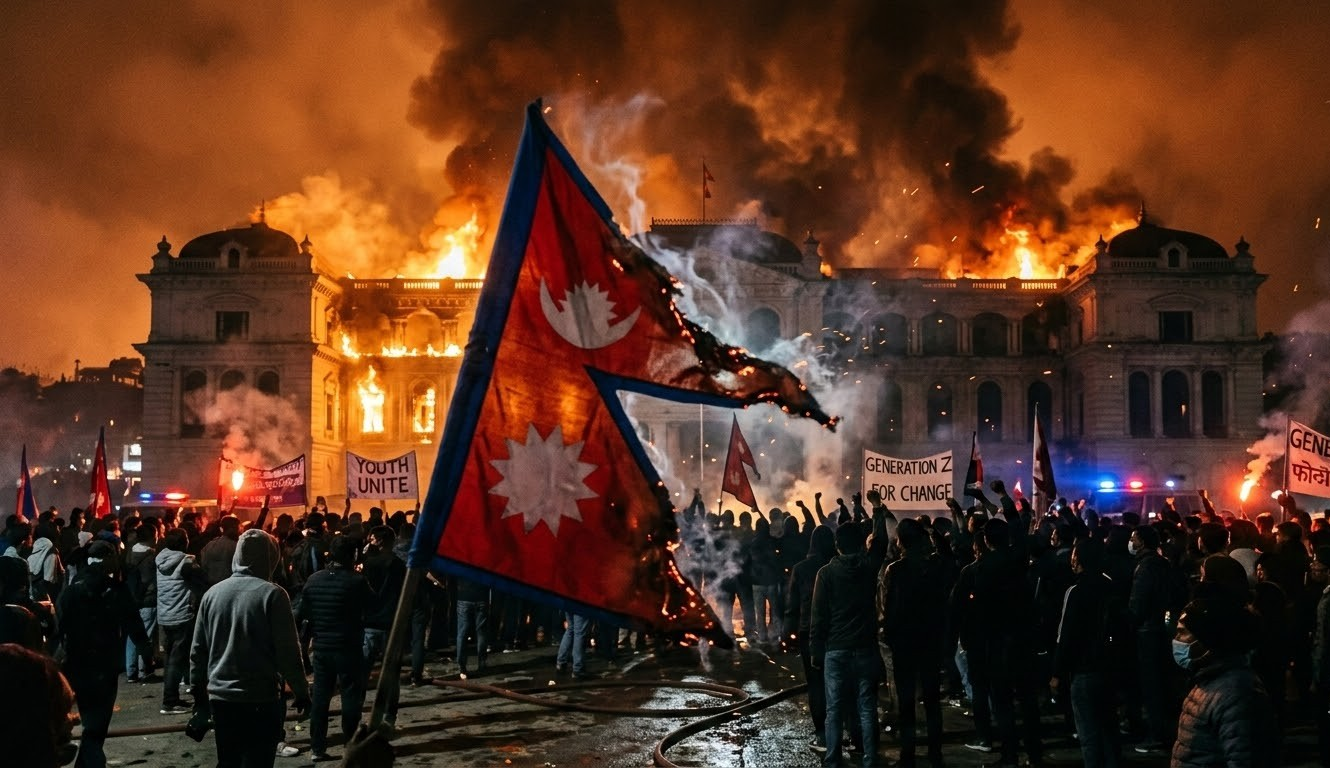
In recent years, Nepal witnessed one of the most significant political awakenings driven largely by young citizens. What began as frustration among the youth gradually transformed into a nationwide movement that reshaped the country’s political landscape. From the rise of the Generation Z protest movement to the eventual election results, the political momentum ultimately contributed to the remarkable rise of the Rastriya Swatantra Party (RSP).
The early stages of the movement were fueled by widespread dissatisfaction with traditional political leadership. Many young Nepalis felt that decades of governance by established parties had failed to address corruption, unemployment, and economic stagnation.
Social media platforms became powerful tools for organizing protests and spreading awareness. Young activists used digital platforms to mobilize thousands of citizens, particularly students and first-time voters. What began as scattered demonstrations soon evolved into coordinated protests across major cities, including Kathmandu, Pokhara, and Biratnagar.
From the Streets to Parliament
The RSP's rise is inseparable from the convulsions that shook Nepal in September 2025. What began as protests against a government ban on 26 social media platformsincluding YouTube, Facebook, and WhatsApp rapidly transformed into a mass movement against corruption, economic stagnation, and the perceived impunity of political dynasties. The images that captured the world: a generation of young Nepalis, many of whom had watched relatives leave for Gulf states or Europe in search of work, standing in the streets demanding accountability.
"The nation was fed up with the old corrupt leaders. This was not just an election , it was a reckoning that had been building for thirty years."
— Birendra Kumar Mehta, RSP Central Committee Member · March 8, 2026The protests ultimately toppled the government of KP Sharma Oli, leading President Ram Chandra Paudel to invoke Article 61 of the Constitution and appoint former Chief Justice Sushila Karki as interim Prime Minister making her the first woman to lead a government in Nepal's history. Her mandate was singular: stabilise the country and deliver free, fair elections within six months.
Who Is Balen Shah?
For many outside Nepal, the name Balendra Shah is new. For Nepali's especially those under 35, he has been a cultural touchstone for years. Trained as a civil engineer at Purbanchal University, Shah broke into public consciousness as a rapper whose lyrics targeted corruption and inequality in terms that resonated deeply with urban youth. Songs that were once just anthems became the soundtrack of the September uprising.
His 2022 election as Kathmandu's mayor, standing as an independent against both Nepali Congress and the CPN — was the first tremor that signalled the establishment's vulnerability. As mayor, he bulldozed illegal encroachments, cracked down on waste dumping in the Bagmati River, and earned a reputation for blunt, results-oriented governance. The RSP, which he co-founded the same year, translated that reputation into a national political machine with astonishing speed.
Key Facts at a Glance
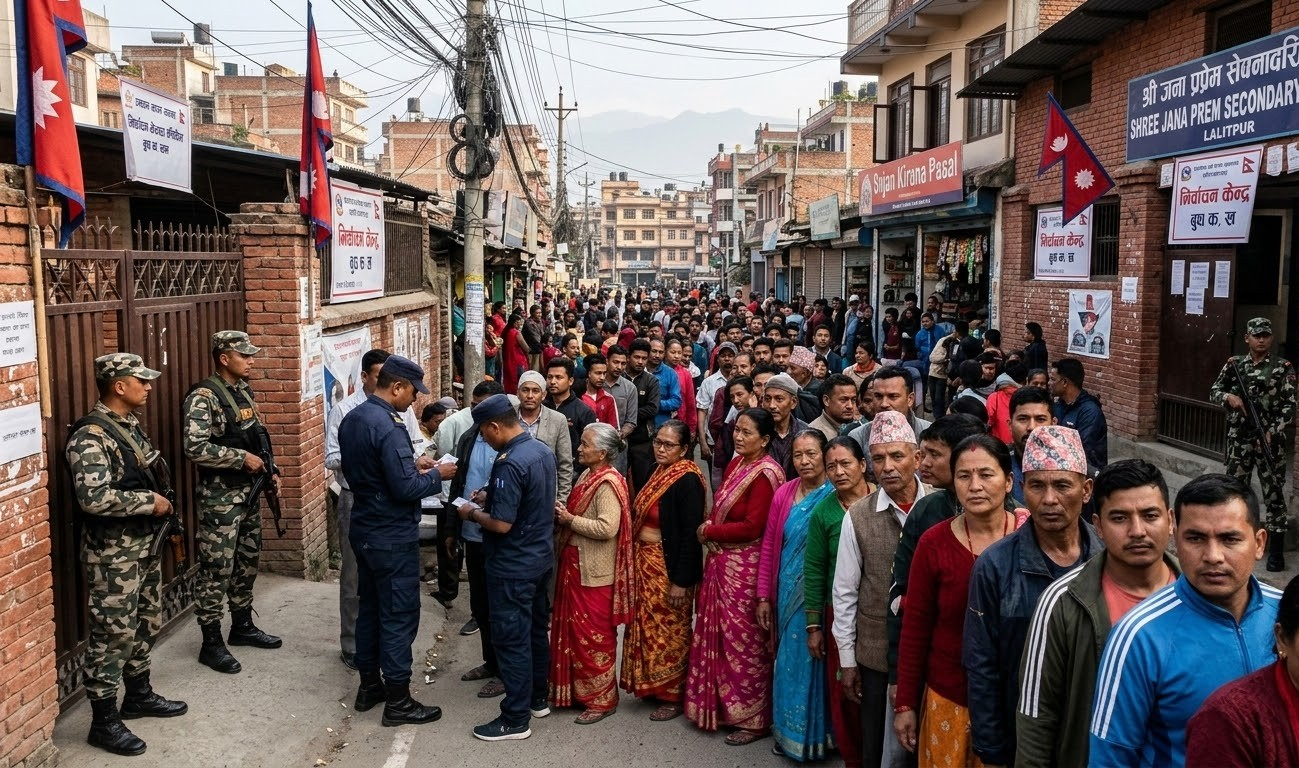
- Election held: 5 March 2026 — the first general election since the 2025 Gen Z uprising
- RSP won 117+ of 165 direct seats; landslide majority confirmed
- Balen Shah defeated former four-time PM KP Sharma Oli in Jhapa-5 by nearly 4:1
- Nearly 19 million eligible voters participated; turnout among highest in a decade
- Interim PM Sushila Karki — Nepal's first female head of government — oversaw the election
- Government formation talks expected to begin this week; PM announcement imminent
A Diaspora-Powered Campaign
The RSP's campaign operation was unlike anything Nepal's political scene had seen before. A team of over 660 social media coordinators drove a digital strategy that saturated platforms popular with both domestic voters and the Nepali diaspora particularly communities in the United States, the Gulf, and Australia. Significant funding flowed in from abroad, reflecting a diaspora that had long felt disconnected from a homeland it still deeply cared about.
What Comes Next?
With a commanding majority in the House of Representatives, Balen Shah is widely expected to be nominated as Prime Minister within days. The harder task begins the morning after the celebrations: delivering on promises of zero tolerance for corruption, free university education, universal healthcare, and economic reforms aimed at reversing Nepal's staggering brain drain a crisis in which thousands of skilled citizens emigrate every month.
Political analyst Sunil Babu Pant noted that Nepal's new leadership will also need to carefully balance its geopolitical relationships navigating the ever-present tensions between giant neighbours India and China while pursuing an independent foreign policy focused on national interests. For a country that has historically found itself squeezed between the two Asian superpowers, the RSP's rise adds a new and unpredictable variable.
For now, across Kathmandu's chai shops and rooftops, in the valleys and the hills, a country that has lived through a remarkable six months is allowing itself, cautiously, to hope.